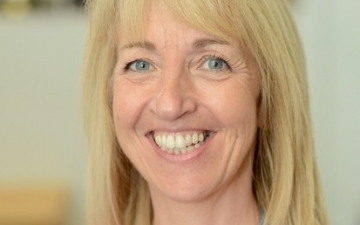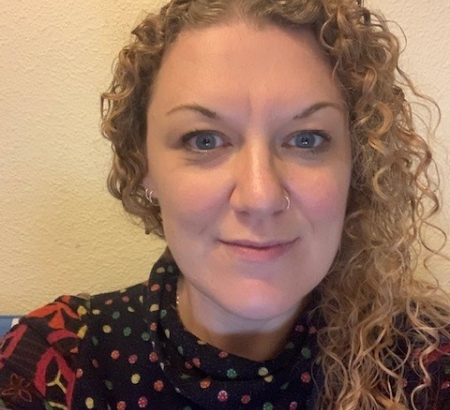
 Sam Hayes
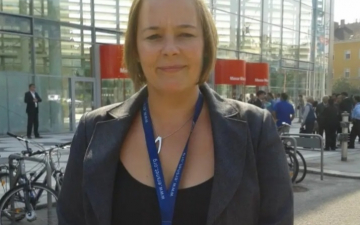
Name: Sam Hayes
Years in physiotherapy: 23
Current role: Consultant physiotherapist
Workplace: Knowsley Community Respiratory Service, Liverpool Heart and Chest Hospital
“Physiotherapy is about giving meaning and focus back to life”
We sat down with Sam Hayes to talk about her career in physiotherapy, the changes she has seen in the profession, and her passion for respiratory care.
What do you wish more people knew about physiotherapy?
I wish people understood that physiotherapy isn’t just about massaging sore muscles or running onto a sports pitch with a magic sponge. Physiotherapists are autonomous practitioners: we diagnose and treat a wide range of conditions, arrange and interpret tests, request imaging, and prescribe medicines.
Our role spans all stages and settings of healthcare. Rehabilitation is central to what we do and is often overlooked, but it’s what helps people find meaning and focus in life again.
How has the profession changed since you qualified?
It’s changed massively. Prescribing rights have been a game-changer, allowing physiotherapists to manage whole episodes of care and cut delays for patients.
The use of digital and artificial intelligence (AI) technology has grown, especially since COVID-19, which forced us to find new ways of delivering services quickly. Care is gradually shifting away from hospitals and into communities, with more integration across services — from ambulance crews and primary care to addiction services, prisons, and hostels.
We’re also seeing more physiotherapists getting involved in research and leadership earlier in their careers, and many are stepping into advanced roles such as first contact practitioners, advanced clinical practitioners, and consultant posts. The workforce is evolving, with assistant staff taking on more complex responsibilities too. Patients have changed as well; people are living longer with multiple complex conditions, and that requires us to adapt to continue to meet their needs.
What changes have had the biggest impact?
I’d say prescribing rights and the move into advanced clinical roles. It’s shown what physiotherapists are capable of and encouraged newer colleagues to keep pushing the boundaries to improve patient care.
And looking ahead — what will have the biggest impact?
Hopefully there will be changes to prescribing rights, which will help, but I think the next big shifts will come from digital healthcare and AI. These tools will change how we deliver and run services. I’d also like to see more specialist services moving out of hospital and into the community, making them easier for people to access, especially those who don’t engage with traditional models of care.
What qualities make a good physiotherapist?
Good listening skills are essential, as is being able to pick up on patient cues. You need to problem-solve, think outside the box, and build rapport quickly. We often meet patients when they’re at their lowest, and we need to motivate them to engage in rehabilitation, even when it feels tough.
What’s the biggest misconception about pulmonary rehabilitation?
Where do I start! The name itself doesn’t help — many people think it’s something to do with addiction recovery. Others imagine Lycra and high-intensity workouts. A lot of people also worry when they hear the word exercise. They think it’s not for them, or that they’re too old, but we never give anyone something that’s too difficult. Pulmonary rehabilitation (PR) is about far more than just exercise — it’s about teaching people how to manage their lung condition better, and the peer support element is invaluable.
What’s been your proudest moment?
There are lots, but finishing my master’s degree while working full-time with two young children was a big one. More recently, I’m proud of the PR transformation work across Cheshire and Merseyside. It’s taken years to get to where we are now, but it has really improved patient care and reduced variation. We are now even introducing digital options to patients to widen access.
I’ve also supported team members into advanced clinical practitioner roles, which is hugely rewarding. Also, I’m proud to be the only physiotherapist respiratory champion for Asthma and Lung UK (A&LUK). In this role, I represent my integrated care board (ICB) and have been leading the development of a region-wide COPD pathway. It’s not quite complete yet, but I’m really proud to be involved.
How has your role evolved?
I’m now much more involved at a strategic level, working on care pathway redesign and setting respiratory priorities for the region. I still love my clinical work, but I also enjoy research and presenting at conferences as part of the PhD that I’m currently undertaking.
If you could give one piece of advice to your younger self?
Follow your interests and stay curious. Don’t let ‘no’ put you off.
What’s your favourite part of the job?
Definitely the patients. They never fail to amaze me.
What drew you to physiotherapy?
My grandad had a total knee replacement, and I was struck by the relationship his physiotherapists built with him and the difference they made in getting him back on his feet. I thought it was such a rewarding role — and I haven’t looked back.
If you hadn’t gone into physiotherapy, what would you be doing?
Probably something totally different — maybe history, which was my slightly nerdy pleasure.
How do you unwind after work?
Running, walking my dog, and spending time with family and friends.
Any specialisms you’d like to learn more about?
I love learning about anything, but if I had to choose I would say rheumatology or neurology, because there’s so much crossover with respiratory.
What helps you through a chaotic shift?
Coffee, humour, and the team — sweets help too!
How do you cheer up patients on a bad day?
It depends on the situation. Talking about my slightly crazy puppy usually helps, or a bit of football chat goes down well in Liverpool.
Who has influenced you most?
Early in my career, I worked with brilliant respiratory physiotherapists in Leeds who inspired my passion for the specialty. More recently, I’ve been lucky to work with consultants, GPs and nurses who’ve pushed me out of my comfort zone and supported me in pathway redesign and leadership.
Your top tip for PR patients?
Set realistic goals and have coping strategies for when things aren’t going well. Involve family and friends so they can support you.
Any advice for physiotherapists new to respiratory care?
Look beyond the sputum — think about quality of life. Ask questions, read widely, think outside the box, and get stuck in. Respiratory physiotherapy is hugely varied, from acute management to long-term rehabilitation, in hospitals, outpatients, community services, and integrated care. The opportunities are endless.
Sam’s top picks
- Books or TV? Books mostly
- Tea or coffee? Coffee (but it depends on the situation)
- Early, late or night shift? Early
- On the ward, in practice, or in the community? In the community
- Summer or winter? Summer
Abbreviations:
AI, artificial intelligence; A&LUK, Asthma and Lung UK; COPD, chronic obstructive pulmonary disease; COVID-19, coronavirus disease 2019; ICB, integrated care board; PhD, Doctor of Philosophy; PR, pulmonary rehabilitation.

Subscribe to the newsletter
Get started